

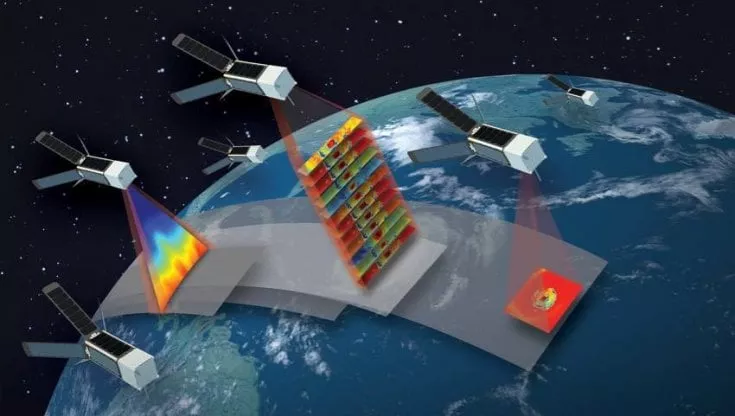
NASA has launched two small satellites from a base in New Zealand to track tropical cyclones hour by hour. The satellites, sent into orbit on a rocket built by US company Rocket Lab, can fly over hurricanes every hour, compared to every six hours with current satellites. The information gathered on rainfall, temperature and humidity could help scientists determine where a hurricane will make landfall and how intense it will be, helping people living in coastal areas be better prepared for possible evacuations. In the long term, a better understanding of the formation and evolution of these storms could help improve climate models. A second Rocket Lab-built vessel is due to launch in about two weeks carrying two more satellites to complete a small constellation of four storm-tracking satellites. The constellation was originally intended to have six satellites, but the first two were lost when a US Astra rocket malfunctioned shortly after lift-off last year. Hurricanes are becoming more powerful as the ocean surface warms, scientists say.


