

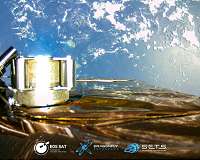
Space Electric Thruster Systems (SETS) has achieved a significant milestone with the successful testing of its SPS-25 space propulsion system. The system was tested on the EOS SAT-1 satellite, developed by Dragonfly Aerospace for the EOS Data Analytics space mission. The SPS-25 propulsion system is noteworthy because it was developed in Ukraine, a country facing ongoing conflict with Russia. Despite these challenging conditions, the SETS team managed to complete the final assembly and rigorous testing of the propulsion system’s components in the spring of 2022. The fully assembled satellite, complete with the propulsion system, was launched into orbit aboard a Falcon 9 rocket on January 3, 2023. The ground control team has been closely monitoring the SPS-25 propulsion system since then and confirmed in early May 2023 that it is functioning as intended.
SETS provides comprehensive solutions to satellite manufacturers, eliminating the need for manufacturers to source and assemble individual systems from multiple vendors. The company’s CEO, Viktor Serbin, expressed satisfaction with the results, stating that the company’s propulsion systems have been “tested and proven to work in real-world space conditions.” Serbin noted that as the company advances, it will continue to offer ready-made solutions while also developing bespoke propulsion systems tailored to meet the specific requirements of their clients. SETS is also actively working towards establishing European Union settlements.
The SPS-25 propulsion system is designed to have an estimated total operational pulse of 800 hours on the EOS SAT-1 satellite, more than adequate to maintain the satellite’s orbit for its projected lifespan of five years. It will also provide the necessary thrust to remove the satellite from orbit at the end of its service life, demonstrating the comprehensive planning and design strategy employed by SETS in creating their propulsion systems.


 Copyright 2023 All rights reserved.