

Satellites have the potential to greatly improve early warning systems and evacuation protocols in disaster-prone Asian communities, according to a recent study. The study, published in the Emergency Management Science and Technology journal on April 27, 2023, highlights the limitations of ground-based telecommunication systems in countries like Bangladesh, Bhutan, and Mongolia.
The researchers found that existing systems in these regions often have limited reach and are easily disrupted during catastrophic events. Additionally, the warning information relayed through these systems is often unclear, distorted, or delayed, making timely evacuations difficult.
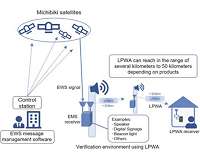
The study focused on the vulnerability of these communities to various natural disasters. Bangladesh frequently faces tropical cyclones, Bhutan experiences Glacial Lake Outburst Floods (GLOFs), and Mongolia endures harsh winter conditions known as dzuds. The researchers evaluated the effectiveness of current early warning systems and proposed the use of the Quasi-Zenith Satellite System – Early Warning System (QZSS-EWS) to enhance these systems.
To illustrate the need for improved warning mechanisms in these challenging regions, the researchers conducted three case studies. In Bangladesh, they suggested integrating QZSS-EWS into the Cyclone Preparedness Programme (CPP). In Bhutan, it could be incorporated into the GLOF early warning system and update standard operating procedures (SOPs) accordingly. In Mongolia, the new system could be used alongside Dzud Risk Maps.
The use of a satellite-based system like QZSS-EWS, which remains operational even when ground-based networks are overloaded or damaged, could provide clearer and more direct alerts to those in danger. This could significantly improve evacuation processes and potentially save lives and livelihoods.
However, the research team emphasized that the introduction of this technology alone may not be enough. They stressed the importance of policymakers taking subsequent policy and practical actions to upgrade these systems based on past experiences and future challenges.
The study also highlighted the need to update SOPs, regularly evaluate performance, and refine necessary tools and equipment. Community capacity building, including regular evacuation drills and training on new technology usage, such as QZSS receivers, is also crucial.
Overall, the findings of this research emphasize the need for a comprehensive and inclusive strategy that considers at-risk communities. While the introduction of QZSS and related technologies is a significant step forward, it must be accompanied by dedicated policy action and practical measures on the ground to ensure successful evacuation processes.


 Copyright 2023 All rights reserved.